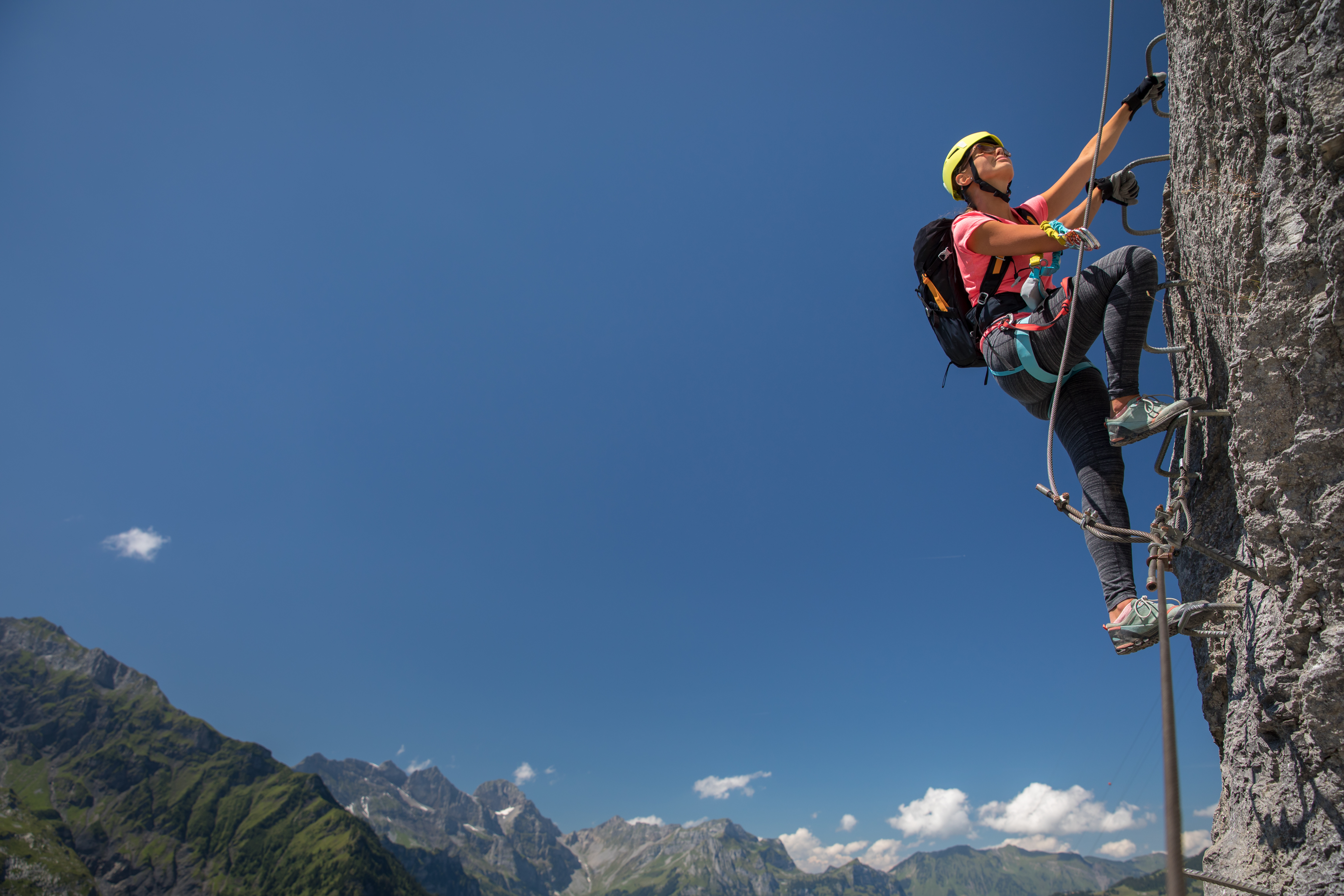
Last Updated on May 28, 2024 by grubdunkman
Rock climbing as a form of active leisure and officially an Olympic sport is rapidly gaining popularity. Nowadays almost every major city, you can find groups of enthusiasts who have chosen this activity for their free time and even as a professional pursuit.
There are many types of climbing depending on the location and surfaces climbers ascend, including both artificial climbing walls and natural features like cliffs and boulders. Climbing can also vary based on the type of protective equipment used (sport climbing, trad climbing) or its absence (solo climbing).
Additionally, there are other types such as urban climbing, ice climbing, tree climbing, deep water soloing, and others, but in this material, we will only consider several of them that are arguably the most popular and primarily safe. One of these types is bouldering.
Bouldering
Bouldering involves climbing on boulders or low cliff faces or artificial walls. Typically, a “bouldering problem” (the route in bouldering) does not exceed 6 meters and does not require any protective equipment other than crash pads – mats used to cushion falls or landings. To start bouldering, you need climbing shoes, comfortable clothing, and a chalk bag with chalk for grip.
Naturally, if we are talking about bouldering on natural terrain, we understand that these places can be far from cities, requiring additional hiking equipment for comfortable existence. However, if we are talking about climbing gyms with artificial climbing walls, which are now available in almost every large and not-so-large city, you only need climbing shoes, comfortable clothing, and a chalk bag, and you are ready to train.
In most, if not all, climbing gyms of this type, there is the option to rent shoes and other equipment. Therefore, for your first training session, you only need to approach a climbing gym where specialists will advise you on the basics of training and safety techniques.
Next, let’s consider sport climbing or lead climbing. This involves climbing high routes that require the use of protection. This type of climbing is also available on artificial climbing walls in climbing gyms. Let’s look at the necessary equipment.
Essential Rock Climbing Equipment
Firstly, you need climbing shoes and chalk in a chalk bag with a waist strap. For this type of climbing, you need a partner to belay you. You and your belayer must use harnesses – a system of straps worn on the climber’s legs and the waist, fastened with buckles to hold the climber when hanging on the rope.
Helmets are necessary for both the climber and the belayer to protect against potential falls or rockfall, especially on poorly maintained or new routes. The belayer also has a belay device, which allows them to hold the climber on the rope with minimal effort.
Ropes also vary in characteristics, from length and diameter to dynamic properties (stretchiness, which softens falls by absorbing energy). Quickdraws are double carabiners on sturdy nylon webbing used as points of attachment during falls. They come in various lengths and types.
In general, there are two types of belaying: top and bottom. Top means that the anchor point is already at the top of the route – the station (a prepared solid anchor). Bottom means that the climber clips quickdraws along the route, taking them with them in the required quantity. The belay system has appropriate places for comfortable storage and subsequent use of quickdraws.
After completing the route, the climber secures themselves to the station with another locking carabiner on sturdy nylon sling and passes the rope through the station, allowing them to remove all quickdraws used during the climb.
Climbing gyms may have automatic belay devices, meaning routes do not require an additional person for belaying. This method is also used in speed climbing (another type of climbing).
Traditional climbing
Also known as trad climbing, it differs from sport climbing. Unlike in sport climbing, where anchors are already pre-fixed, specialized gear is used for anchoring. Instead of bolts and quickdraws for protection, specialized gear such as cams and nuts are used, allowing for anchoring in natural features. This type of climbing, compared to sport climbing, is more akin to mountaineering due to the need for a wealth of knowledge, experience, and equipment.
This exciting sport is expanding its audience, and the number of enthusiasts increases every day. If you are reading this text, it is very likely that you have already joined or plan to join the climbing community.
There are many diverse videos and films about climbing of various types that captivate, make palms sweat, and often evoke a desire to test one’s strength, especially among active youth.
By the way, age is not a barrier at all. It is worth mentioning Marcel Remy, a climber who, at the age of 99, continued climbing both on natural terrain and in indoor formats. Also, the youngest athletes, such as Leo Cea Bliedtner, who, at the age of 11, tackled an impressive 5.14d (9a) route.
Even if you have the opportunity to visit a climbing gym for training, or even if you’re fortunate enough to be close to rock formations and regularly practice on natural terrain, home workouts play an important role.
Let’s consider a list of equipment for performing beneficial climbing exercises at home.
Equipment To Help Rock Climbing
While getting ready for climbing it is beneficial to maintain and develop your functional fitness. Some fitness gear can help you achieving this goal. Let’s start with the pull-up bar. There are many types of pull-up bars, which differ in mounting type and construction. Having one will allow you to maintain your physical fitness.
Additionally, resistance bands can help you perform exercises on the pull-up bar.
When it comes to more specialized climbing equipment for home workouts, we have fingerboards and hangboards. These are boards with finger slots to practice various types of grips. They come in various shapes and sizes. Manufacturers also offer different types of holds on which you can train strength and endurance.
List of Climbing Equipment
Below you can find more detailed and advanced of the equipment used for climbing.
Anchors
Belay Devices
Cams and Nuts
Carabiners
Chalk
Chalk BagsClimbing Shoes
Clothing
Connectors and Pitons
Expresses/quickdraws
Hangboards/fingerboards
Harnesses
Helmets
Lighting
Ropes
Slings and Tapes


Leave a Reply